
A Phone Call in Early October
Colleen first called the magazine on a quiet afternoon in the first weeks of autumn. She volunteers with a small hall committee in a lakeside town, and every year the group puts on a harvest supper followed by a concert of local players. Attendance had been drifting down, and she wondered whether anyone beyond the neighbourhood knew the evening existed.
I took the call, and what struck me was how modest her request was. She did not want a grand feature. She wanted a short preview that told readers when the doors opened, what the programme looked like and how to find the hall. That is exactly the kind of job our Events Coverage exists to do, and I told her so.
We talked for nearly half an hour. She described the hall, the long tables, the pie contest and the fiddler who has played every year since the committee began. By the end I had a clear sense of what readers would want to know before deciding to drive out.
What a Preview Needs to Say
A preview is a promise to readers, so it has to be accurate. I asked Colleen for the start time, the ticket arrangements, the accessibility of the building and the names of the performers she was comfortable having printed. I also asked her to describe the programme in her own words, because organizers usually know which part of an evening people talk about afterward.
I do not invent excitement. If the committee says the choir is small, I write that it is small. Readers aged forty-five and over in particular tend to value plain detail: where to park, whether there are steps at the entrance, whether supper is included in the ticket price.
Colleen sent me a short list by email that same evening. I checked each detail with her by phone the following morning and kept a note of what had been confirmed and what had not, so that nothing unverified reached the page.
- Start time and doors opening
- How tickets are handled at the door
- Step-free entrance and parking
- Performers who agreed to be named
A Visit to the Hall Before the Night
Because the hall is within reach of my route, I stopped in a few days before the supper. Colleen was folding paper napkins at a long table while two committee members tested a borrowed microphone. The room smelled of coffee and floor polish, and the afternoon light came in low through tall windows.
I took notes on the layout rather than photographs of people, since the committee had asked for privacy before the event. Where the stage stood, how the tables ran, and where late arrivals could slip in without disturbing the first song were all details that made the later review more useful.
Colleen showed me the handwritten programme. Fiddle tunes, a children's recorder group and a closing singalong were pencilled in. She worried the evening ran long, and I suggested she say so plainly on the poster, which she did.
Writing the Review Afterward
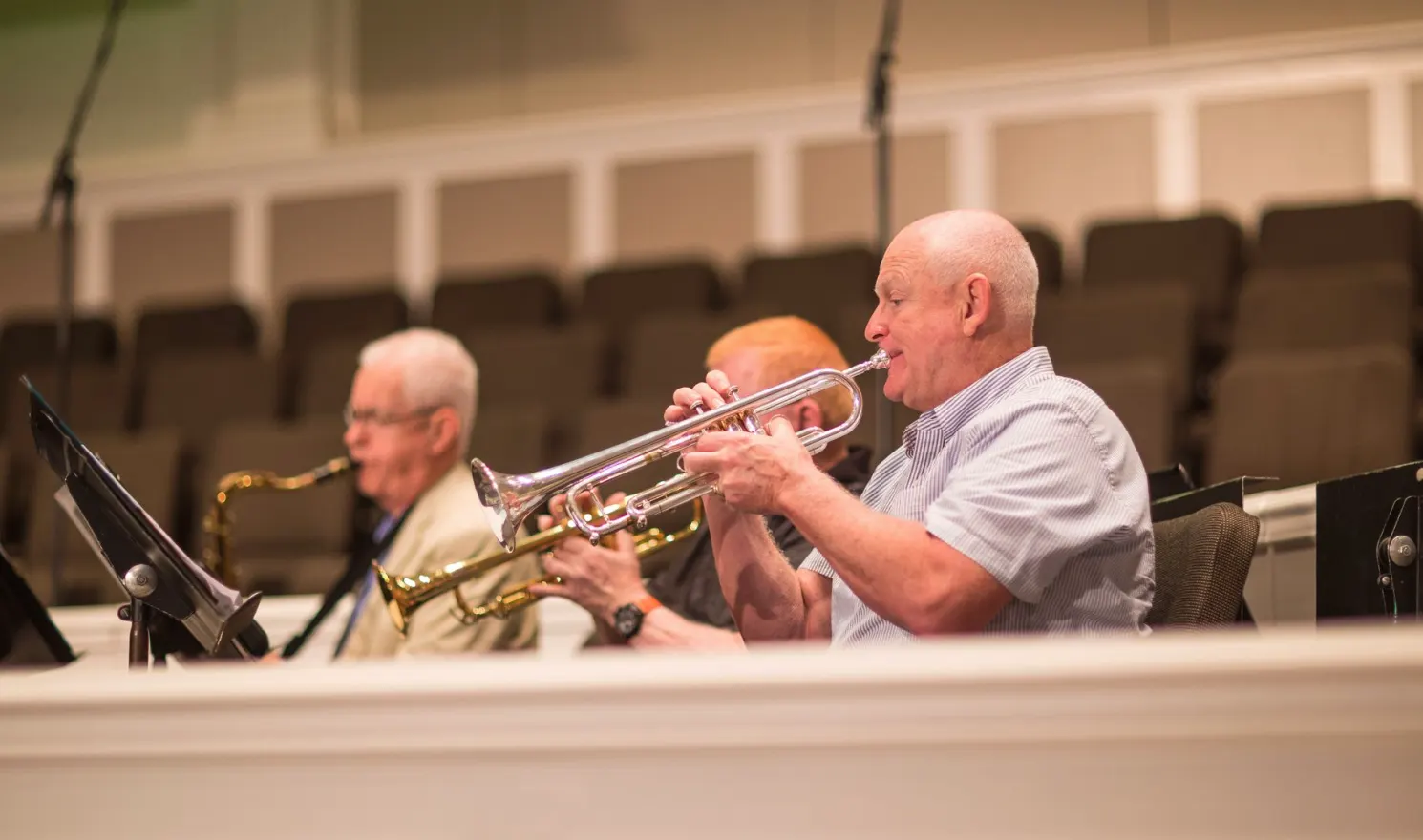
I attended the concert as an ordinary guest and sat near the back. A review for us is not a verdict handed down from above. It describes what an evening felt like for someone who came without any stake in it, so that the next reader can judge whether they would enjoy it too.
The recorder group was uneven and wonderfully sincere. The fiddler was the highlight, and the room quietly joined in on the final tune. I wrote that the supper line moved slowly and that the hall grew warm by the second set. Honest notes like these are what make praise believable.
I sent Colleen the draft before publication so she could correct names and spellings. She changed two of them and asked me to soften nothing. That trust is the reason I prefer to work this way with community organizers.
What Changed for Colleen
The following week Colleen wrote to say that the committee had received several messages from people who had read the preview and planned to come next year. A couple from a neighbouring town had driven over after seeing the directions. She was careful not to claim a dramatic turnaround, and I appreciated that.
What she valued most, she told me, was the review. It gave the volunteers something to read aloud at their next meeting, including the remark about the warm room, which they have since decided to fix with a second fan and a propped door.
For me the lesson was familiar. Small gatherings do not need big words. They need a clear description, an honest account and a reader who feels welcome to turn up. That is the whole of what Events Coverage tries to offer across every region.
Why Cases Like This Matter to Us
Every region has evenings like Colleen's, run by people with folding tables and a borrowed microphone. They rarely have a publicist, and they seldom reach beyond the nearest few streets. Our coverage is built for them, alongside the larger concerts and festivals that readers already expect to find.
I keep Colleen's story in mind when I plan my own travel through the provinces. A hall committee's patient preparation tells you a great deal about a town, and often leads to the next story worth writing.
If you organize a community event and would like it considered for a preview or a review, write to us through the contact page with the date, the place and a few lines about the programme. We read every message and reply in plain language.
Colleen's harvest supper was not a major event by any measure, and that is why it stayed with me. A short preview gave neighbours a reason to come, and an honest review gave volunteers something useful to act on. Good event coverage serves both sides of that exchange, and it does so without exaggeration. I will be at the back of the hall again next autumn, notebook in hand.