
Start with what the coverage is actually for
When I shoot an evening concert or a weekend fair, I carry two questions with me: what will a reader need to know before going, and what will they want to remember afterwards. Our events coverage splits along those lines. A preview helps you decide whether to go. A review tells you what it felt like to be in the room.
Before you plan around anything, work out which of the two you are reading. A preview is written from the programme, the venue and conversations with organizers, so it describes intentions. A review is written by someone who stood in the crowd and watched. Both are useful, but they answer different questions, and mixing them up leads to disappointment.
I also keep in mind that I am a photographer first. My notes tend to be about light, crowds, queues and how a space is laid out, which matters more than people expect when you are deciding whether a venue suits you.
If you read coverage with a clear question in mind, you waste far less time chasing an event that was never right for you.
- Is this a preview or a review?
- What decision am I trying to make?
- Who wrote it, and were they there?
Check the practical details first
Mid autumn is a busy stretch for community gatherings, harvest markets, church hall concerts and indoor festivals that move inside once the weather turns. Evenings come earlier, and a stage that worked in August may now be in a gymnasium or a converted warehouse.
Before anything else, confirm the basics with the organizer directly: start time, doors, whether the event is indoors, and how you get there. Coverage can point you toward an event, but schedules shift, and the organizer's own announcement is the final word on times and tickets.
Think about how you will travel. In smaller towns, parking near a hall can fill an hour before the music starts, and in cities a late finish may mean the last bus has gone. These details rarely make the headline, yet they decide whether an evening is relaxed or stressful.
I make a habit of arriving early to photograph an empty room, partly for the picture and partly to see where the coat racks, seats and exits are.
- Start time, doors and finish time
- Indoors or outdoors this season
- Parking, transit and the trip home
- Ticket or entry arrangements
Think about who the event is built for
Some gatherings are made for dancing until midnight, others for sitting quietly with a coffee and a fiddle. Neither is better, but they suit different people and different energy levels. Reading coverage well means asking who the room was designed for.
Look for clues in how an event is described: seated or standing, a single act or a lineup of several, a family afternoon or a late show. A festival with several stages can mean a great deal of walking, which matters if you prefer a steady pace.
Consider your own company as well. If you are going with a friend who is not a regular concert-goer, a shorter programme with an interval is usually kinder than an all-day affair. I have watched many people leave early from events that were simply the wrong length for them.
None of this is a judgment on the event. It is just matching the day to the person, which is the most dependable way to enjoy it.
- Seated, standing or wandering
- One performance or many
- Suitable for a long evening?
Read a review for what it leaves out
A good review is honest about what it covers. If a writer saw only the opening set of a three-day festival, the piece should say so, and you should weigh it accordingly. Our reviews describe what we saw and heard, and we try to be plain about the limits of one visit.
Pay attention to what is described versus what is praised. A detailed account of the sound, the crowd and the pace of an evening tells you more than a string of adjectives. I look for the same thing in photographs: a picture of a half-full hall can be more truthful and more useful than a crowded one.
Remember that a single evening is a single evening. A performer may be wonderful one night and tired the next, and a festival can feel different on a rainy Saturday than a mild Sunday.
Use a review as one voice among several, alongside the organizer's own description and any word from friends who went.
- Did the writer attend in person?
- How much of the event was seen?
- Is the account specific or only enthusiastic?
Weigh the cost of your time as well as the ticket
Entry price is only part of the cost. Travel, a meal beforehand, a babysitter or an overnight stay can double what an evening takes from you. When deciding, add up the whole outing rather than the number on the ticket.
Many community events are free or by donation, and those often deliver the most memorable moments, a local choir, a craft sale, a street performance. Cost then becomes a matter of time and attention, which are worth planning for just as carefully.
If you are travelling between regions, consider whether the event justifies the trip on its own, or whether it pairs well with something nearby. A day built around a gathering and a good walk or a meal tends to feel worthwhile even if the event itself is modest.
I would rather spend a quiet evening at a small hall I have researched than a rushed one at a large event I chose on impulse.
- Ticket, travel, food and lodging
- Free or by donation events
- Whether the trip has more to offer
Make the decision, then leave room to change it
Once you have gone through the list, decide, and give yourself permission to adjust. Weather turns, schedules slip and a friend may fall ill. The aim of the checklist is not to remove surprise but to make sure you go in knowing what you are choosing.
If you commit, note the organizer's contact details and the confirmed time somewhere you will see them on the day. A short message the morning of the event can save a wasted trip.
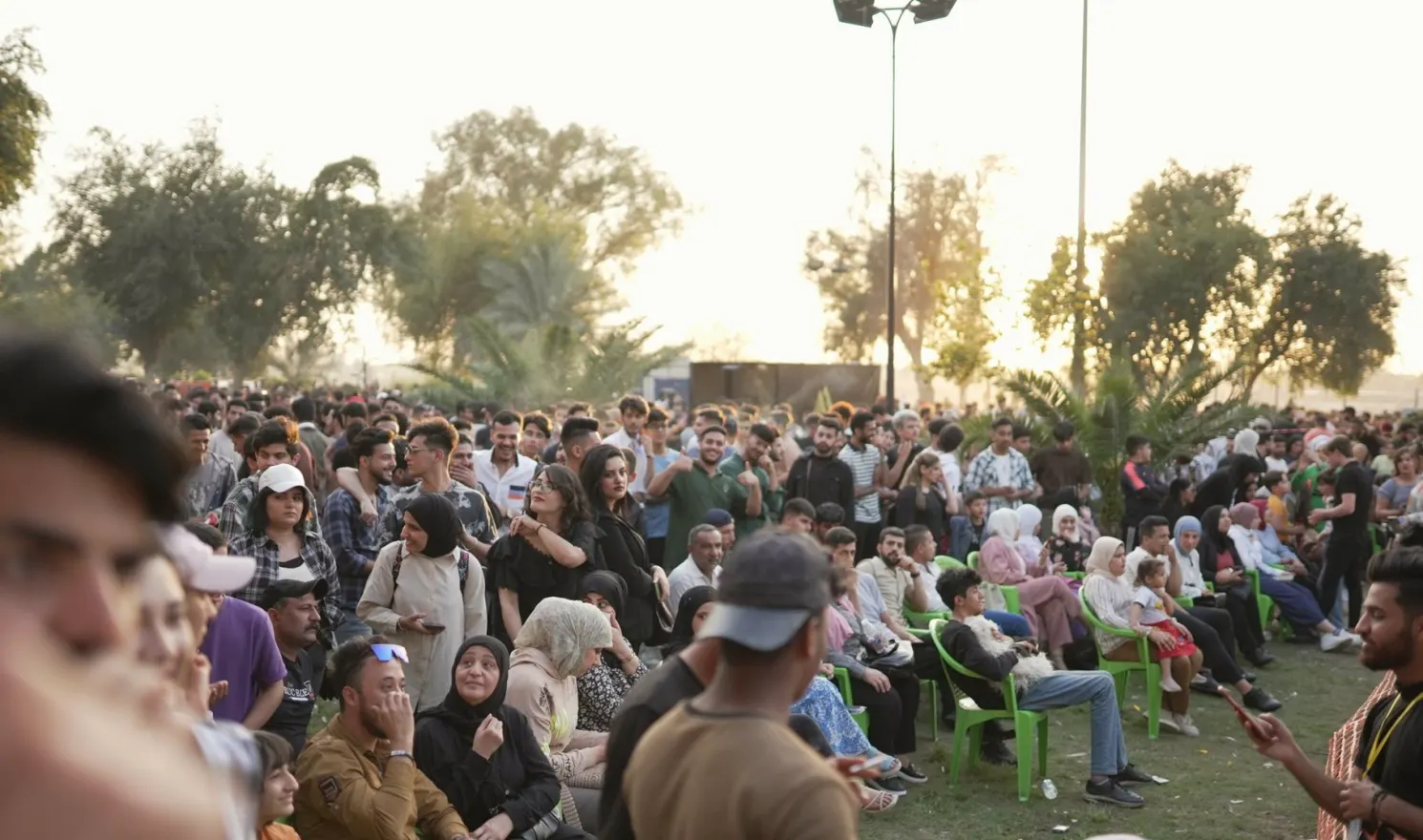
When you arrive, take a moment to look around before the programme begins. The crowd, the light and the way people greet one another are part of the event, and they are often what stays with you long after the details fade.
Afterwards, if something moved you, tell the organizers. Small community gatherings rely on encouragement far more than on praise in print.
Reading event coverage well comes down to a few habits: know whether you are reading a preview or a review, confirm the practical details with the organizer, match the event to the people going, and count the true cost of the outing. None of it is complicated, and all of it makes an evening out easier. We will keep describing what we see as plainly as we can, and you can decide what suits you.