
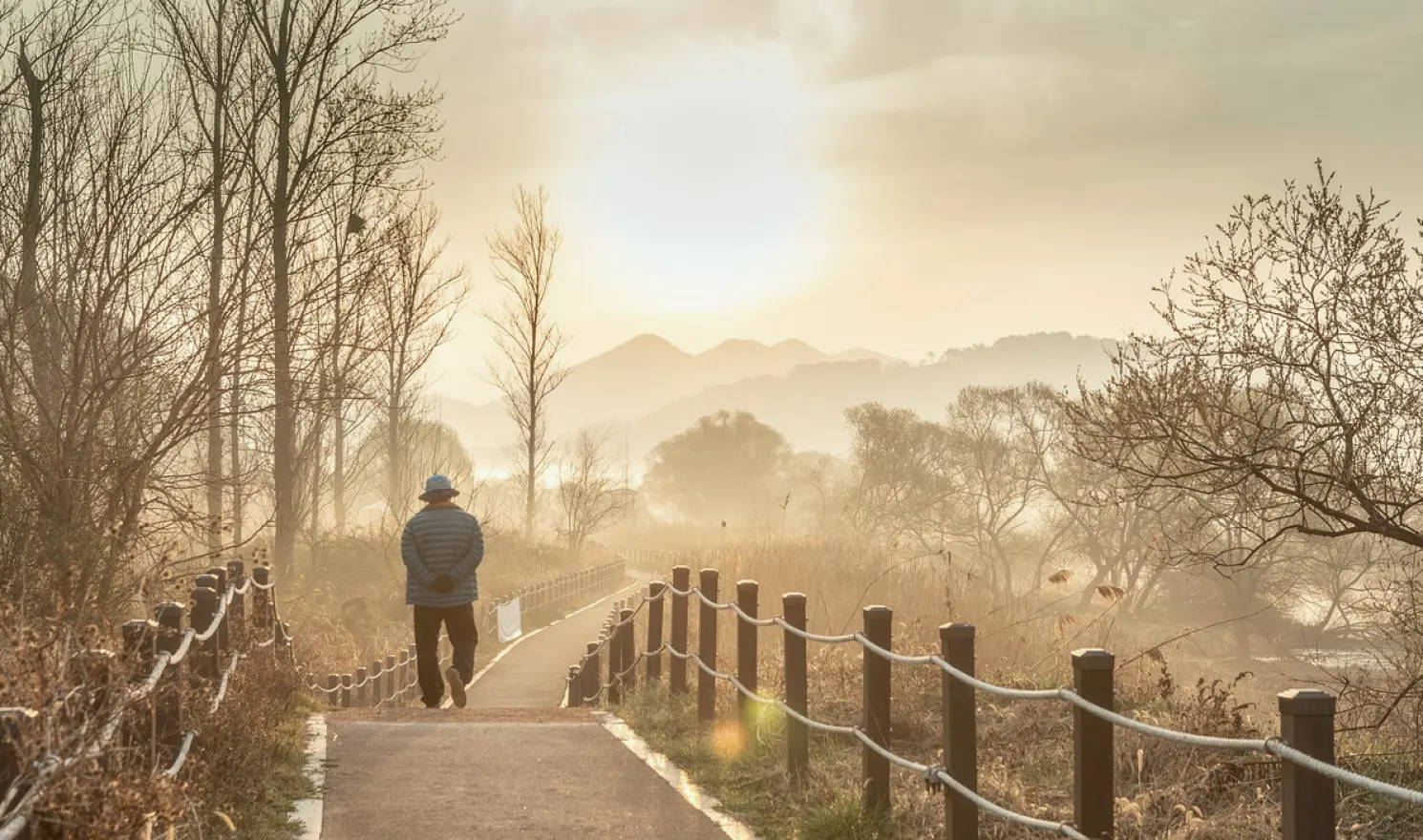
Start with one street and one question
A photo essay works best when it begins with something small. Rather than trying to portray a whole town, pick a single street, market, waterfront path or block and ask one plain question of it. What happens here at seven in the morning? Who keeps this place going? How does it change between the first frost and the first snow?
Our staff photographer, Thomas Gagnon, often says that a good question gives you permission to keep walking when the first twenty frames look ordinary. Write the question on the first page of a notebook. It will help you decide, later in the edit, which pictures belong and which are merely pretty.
Choose a place you can reach easily and visit more than once. Familiarity is an advantage here. You already know where the bakery opens early, where the light falls across the benches, and which corner gets busy after school. Those small details are what readers in other provinces enjoy discovering.
- Pick a place you can visit at least three times
- Write your guiding question before you take a picture
- Note opening hours and quiet periods in advance
Using the low light of mid-autumn
These weeks are generous to photographers. The sun stays low for much of the day, so shadows are long and colour is warm without any effort. Mornings after a clear night often bring soft mist near water, while late afternoons give brick, timber and fallen leaves a golden edge.
Plan your visits around the hour after sunrise and the hour before sunset. At midday the light flattens, and you can use that time to scout, talk to people, or sit with a coffee and watch where activity gathers. Overcast days are not wasted either; they suit portraits and shop interiors because they remove harsh contrast.
Dress for standing still outdoors. Cold hands make careless photographers, and a thermos and light gloves will keep you out for the full golden hour. Bring a lens cloth too, since damp air and drizzle are common across much of the country at this time of year.
- Shoot in the first and last hour of daylight
- Use grey days for faces and interiors
- Carry a lens cloth and warm gloves
Build a shot list that tells a story
A photo essay is not a pile of good pictures. It needs variety, the way a paragraph needs sentences of different lengths. Aim to collect a wide establishing view, a handful of medium scenes showing people at work or rest, and close details such as hands, signs, steam from a cup, worn steps.
Think of these as roles. The wide frame tells the reader where they are. The medium frames introduce the characters and the activity. The details give texture and a sense of touch. If you return from a visit with only wide views, plan the next outing around people and objects.
Keep a loose list on your phone and tick items off, but stay open to surprises. Some of the best frames come from waiting a few extra minutes at a good spot until someone walks into it. Patience tends to beat equipment, and a modest camera held steadily will serve you well.
- One or two wide establishing frames
- Four to six medium scenes with people
- A few close details for texture
Ask permission and be a good neighbour
Photographing a place means photographing the people in it, and courtesy matters more than any technique. When you want a clear portrait of a shopkeeper, a baker or a market vendor, introduce yourself, explain that the pictures are for a published story, and ask whether they are comfortable. Most people say yes when asked kindly.
For candid street scenes, keep a respectful distance and avoid photographing children without a parent's agreement. If someone prefers not to appear, thank them and move on; there is always another angle. Take a name where you can, and offer to send them the finished image if they would like it.
Be mindful of private property and shop interiors. A short conversation with an owner before you step inside usually opens doors, and often leads to a better story than you had planned. Being known on a street as a friendly, returning face is worth more than any lens.
- Explain the purpose and ask before portraits
- Do not photograph children without a parent present
- Offer to share the finished picture
Edit hard and arrange for rhythm
Editing is where the essay is made. Lay every frame out together and remove near-duplicates first, then anything blurred or cluttered. Be honest about favourites that do not serve your question; they may be lovely, but if they distract from the story they weaken it.
Aim for a final set of eight to twelve pictures. Open with an establishing view, move through people and activity, and finish on a quiet image that lingers, perhaps an empty bench at dusk or lights coming on in a window. Alternate horizontal and vertical frames, and vary distance so the eye is not tired.
Keep any colour adjustment gentle and consistent across the set. Autumn tones can be pushed too far, and readers notice. A slight lift in shadows and a steady white balance are usually enough to let the season speak for itself.
- Cut to eight to twelve strong frames
- Alternate wide, medium and detail shots
- Keep colour correction light and even
Write captions that add something
A caption should tell the reader what the picture cannot. Name the place, the person where they have agreed, and one fact: how long the shop has stood, what the baker starts at dawn, why the path floods in spring. Avoid repeating what is plainly visible.
Keep each caption to one or two sentences in a friendly, plain voice. Check spellings of street and business names, and confirm details with the people involved if you can. Accuracy builds the quiet trust that readers of local stories value.
If you write a short introduction, let it return to your opening question and say what you found. You may discover the answer changed along the way, and that is often the most honest and interesting part of the essay.
A neighbourhood photo essay rewards patience more than gear. Choose one street, ask one question, use the low light of these weeks, speak kindly with the people you meet, and edit until only the frames that serve the story remain. Share it with a neighbour before anyone else, and listen to what they notice. You will probably return to the same corner within a month, and see it differently.