
Why the coming weeks suit a photo essay
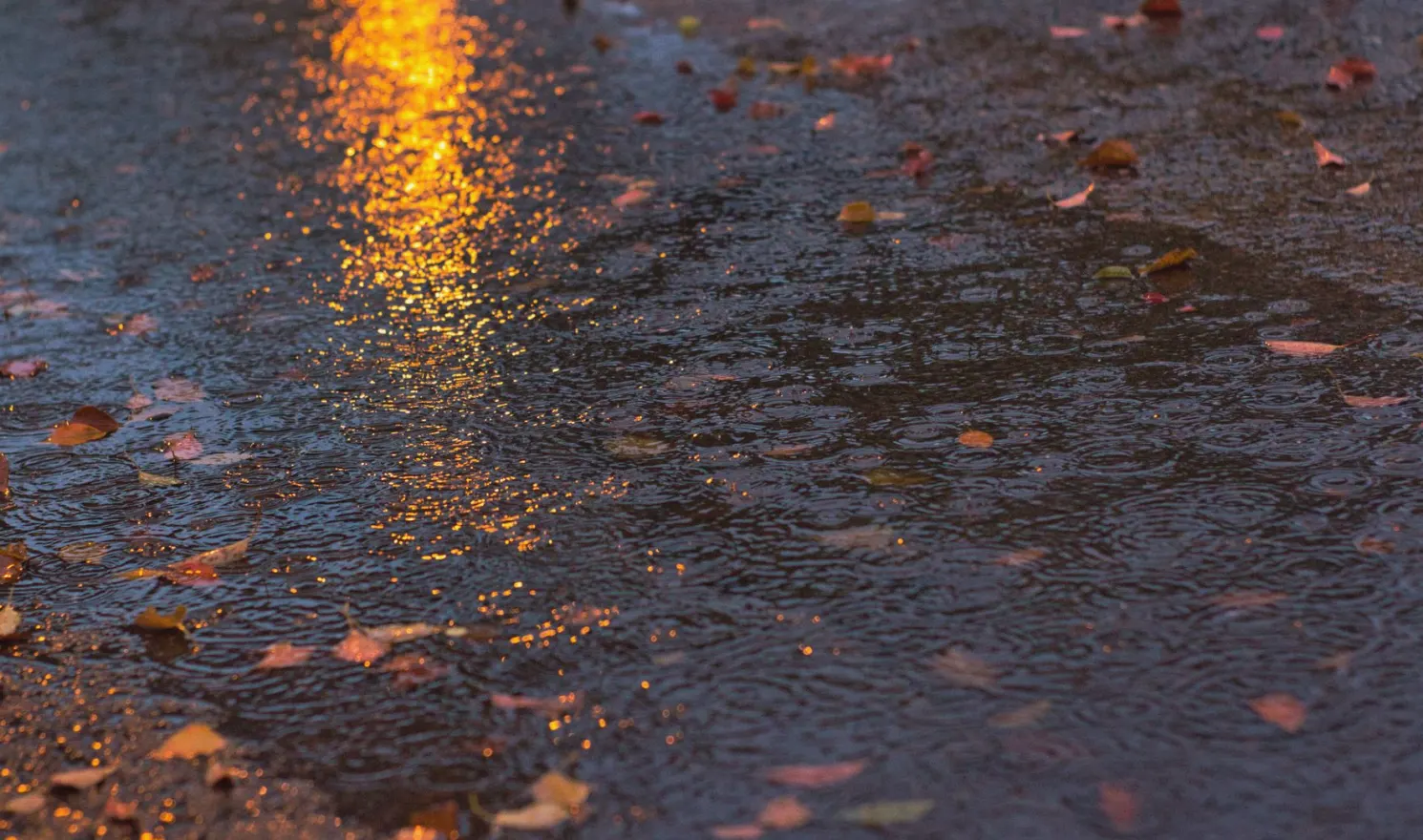
Mid autumn is the season when a familiar street starts to look unfamiliar. The leaves are turning and dropping, the sun sits lower even at noon, and the light that arrives is softer and warmer than anything the summer offered. For a photo essay, which depends on a handful of images that hold together as one story, that change is a gift.
I have edited photo stories for a long time, and the strongest ones almost always begin with a place the photographer already knows. You do not need to travel to a famous lookout. A stretch of waterfront, a market lane, a row of porches or a hillside path will do, provided you are willing to return to it several times over the next few weeks and watch it change.
The season also gives you a natural structure. Early in the period the colour is at its fullest, then comes the bare-branch stage, and soon the first cold mornings arrive. Those three moods can become the chapters of one essay.
Choosing one place and sticking with it
The most common mistake in a first photo essay is wandering. Photographers take a few frames in one park, a few in a downtown block and a few at the lake, and the result reads like a sampler rather than a story. Pick one neighbourhood or one landscape and commit to it for the season.
Walk it once without a camera, or at least without raising it. Notice where people stop, where the light pools in the afternoon, and which corners have a small routine happening in them: a baker hosing down a step, a neighbour raking, a cyclist crossing a bridge at the same hour each day.
Write down five or six things that make the place feel like itself. Those notes become your shot list, and they keep you honest when you are tempted to chase a pretty sunset that has nothing to do with the story you are telling.
- Choose a place you can reach in under twenty minutes
- List five details that define it before shooting
- Plan at least three separate visits across the season
Working with low autumn light
Light is the main subject of any autumn essay, so plan around it. In the weeks ahead the golden hour comes earlier and lasts longer, which means you can shoot in the late afternoon and still be home for dinner. Morning rewards you with mist near water and long, cool shadows on frosty grass.
Side light is your friend. Position yourself so the sun rakes across the scene instead of shining straight at it, and fallen leaves, brick walls and weathered wood will show their texture. Backlight turns hanging leaves into stained glass, but check your exposure on the brightest part of the frame so the highlights do not wash out.
On grey days, resist the urge to stay indoors. Overcast skies even out the colour and make reds and oranges look richer, and they are kind to portraits of people you meet along the way. Keep a lens cloth handy, because damp air fogs glass quickly.
Including people without intruding
A neighbourhood is more than its buildings, and a photo essay feels warmer when people appear in it. The aim is to show daily life, not to stage it. Spend time in one spot until locals stop noticing you, then photograph the ordinary things: a shopkeeper arranging pumpkins, children kicking through leaves, an older couple on a bench with coffee.
Always ask before taking a close portrait, and be ready to explain that the pictures are for a magazine story. Most people are generous when you are friendly and specific. Offer to show them the frame afterwards, and write down a first name and what they were doing so your captions stay accurate.
If someone says no, thank them and move on. A respectful photographer is welcomed back for the next visit, and in a season-long project the second and third visits are where the best pictures usually appear.
- Ask before close portraits and note first names
- Photograph routines rather than posed moments
- Return to the same spot so locals get used to you
Building the sequence and the captions
Once you have a few hundred frames, choose eight to twelve. Look for variety in distance: a wide scene that sets the place, mid-range pictures of activity, and close details such as a gate latch, a steaming cup or a pile of leaves against a curb. Two near-identical frames will weaken each other, so keep only the stronger one.
Arrange the pictures so the eye has somewhere to travel. Begin with an establishing view, move through the day or the season, and end on a quiet image that leaves a feeling rather than a summary. Colour balance matters too, so avoid placing a very saturated frame beside a muted one unless the contrast is deliberate.
Captions should add what the picture cannot say: the name of the lane, the time of day, what the person was doing. Keep them short and plain. A good caption sounds like a neighbour pointing something out.
Practical preparations before the cold sets in
Autumn shooting is pleasant until your fingers go numb. Dress in layers, carry thin gloves that let you work the controls, and keep a spare battery in an inside pocket, since cold drains them faster than you expect. A small towel or plastic bag protects the camera from drizzle without getting in your way.
Check sunrise and sunset times each week, because they shift quickly at this time of year. Build your visits around them and leave a margin, as the best light often lasts only fifteen minutes. If you shoot on a phone, clean the lens before every outing and lock the exposure on the part of the scene you care about.
Finally, back up your files after each visit. A season of work is worth protecting, and it is easy to lose a card in a coat pocket.
- Layers, thin gloves and a spare battery
- Weekly check of sunrise and sunset times
- Back up every session the same evening
A photo essay made over the coming weeks does not need a remote location or expensive gear, only patience, one well-chosen place and a willingness to return as the light shifts. Start with a walk, make a short list of what defines the spot, and let the season give you its chapters. When the first snow arrives you will have a record of how your neighbourhood looked at its best.