
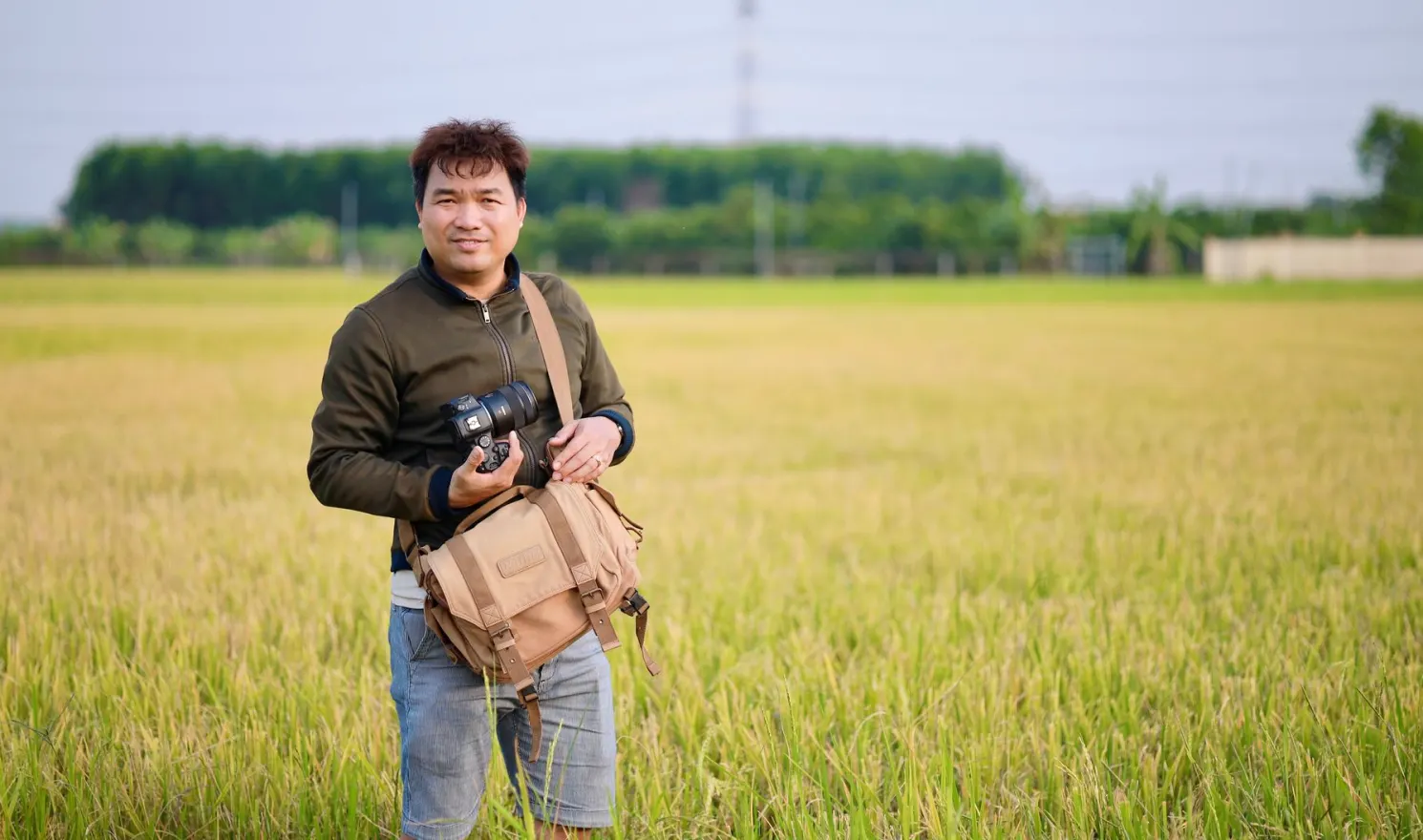
Starting with a small, honest kit
When I cover a concert or a community gathering for the magazine, the bag is lighter than most readers would guess. Two camera bodies, three lenses, spare batteries, memory cards, a lens cloth and a small notebook make up almost everything. I learned years ago that a heavy bag tires you out by the second evening, and a tired photographer misses the quiet moments that make a review worth reading.
The notebook matters as much as any lens. I write down the stage name, the order of acts, the time the light changes and the names of volunteers who help me find a good spot. Those notes travel with the pictures to Daniel Fortin, our entertainment editor, so the captions he and I write together are accurate and nothing relies on memory the next morning.
In mid autumn I add a thin pair of gloves with the fingertips cut back, a warm hat and a plastic sleeve for the camera. Cool air is wonderful for atmosphere, but cold hands lead to soft focus and missed shutters, so comfort is part of the kit.
- Two camera bodies, so no lens change happens during a key moment
- A notebook for names, times and caption details
- Spare batteries kept warm in an inside pocket
Choosing lenses for the room, not the occasion
A wide lens with a bright aperture does most of the work at small venues, church halls and street stages. It lets me stand close to the performers without crowding them and still show the audience, the banners and the room itself. A preview of a gathering is partly about the setting, and a wide frame tells readers what it feels like to be there.
For larger outdoor stages, a mid-range zoom lets me move along the edge of the crowd and find a clean angle. I rarely use the longest lens I own. Very long frames compress the scene and flatten it, and they tend to isolate a performer from the people who came to hear them, which is not the story we are trying to tell.
Before any show I ask the organizers where photographers may stand and for how long. Many small festivals have a gentle rule, such as the first few songs only. Respecting that rule keeps relationships friendly, and organizers remember it when we ask to return the following season.
- Wide, bright lens for halls, cafés and small stages
- Mid-range zoom for outdoor crowds
- Longest lens kept for special cases only
Working with the light that is already there
I avoid flash at performances almost entirely. It distracts musicians, startles the audience and replaces the colour of the stage lighting with a harsh white that nobody in the room actually saw. Instead I raise the sensitivity on the camera, keep the shutter speed steady enough to freeze a gesture, and accept a little grain as part of the evening's character.
Outdoor daytime events ask for the opposite habit. Late afternoon light in autumn is low and warm, and I plan my walk around the grounds to match it. Food stalls, craft tables and children playing near the edge of the field look best in the hour before sunset, so I save the performance shots for after that.
Natural light is also why I like arriving early. An empty stage with soft morning light on the cables and chairs makes an honest opening picture for a preview, and it costs nothing but a little patience and a thermos of coffee.
- No flash during performances
- Higher sensitivity rather than harsh light
- Arrive early for quiet, soft-lit scenes
Photographing people with permission and care
Community gatherings are full of ordinary people who did not come to be photographed. When a face is clearly the subject of a frame, I introduce myself, mention the magazine and ask whether they are comfortable with the picture appearing. Most people say yes with a smile, and the conversation often leads to a detail worth putting in the caption.
With children I am more careful still. I will photograph a crowd of families from behind or at a distance, but I do not publish a close portrait of a child without a parent's agreement. It is a simple habit, and it keeps the trust that readers place in us.
Performers and volunteers get the same courtesy. A drummer packing up after the final song is a lovely picture, but I ask first. That small pause has never once cost me the shot, and it has often given me a better one.
- Ask before publishing a close portrait
- Extra care with children
- Names and roles confirmed for captions
From memory card to published page
Back at my desk I copy the cards to two separate drives before doing anything else. Only then do I begin sorting, and I sort ruthlessly. Out of a few hundred frames from an evening, perhaps twelve are worth sending to the editors, and of those, five or six usually make it into the article.
I adjust each picture lightly, correcting exposure and colour so it matches what I saw. I do not change faces, remove people or alter the scene. A review should show readers the event as it was, and honest editing is part of that promise.
Captions are written with the notes from my notebook beside me. Each one names the place, the occasion and the people shown, as far as I know them, so a reader can recognize the scene and trust what they are looking at.
- Two backups before any sorting begins
- Light corrections only, never altered scenes
- Captions written from field notes
What the routine protects
None of these habits is complicated, and that is the point. A modest kit, patient use of available light, polite requests and careful captions keep our event coverage reliable week after week, whether the stage is a legion hall or a lakeside field.
Readers rarely notice good preparation. They notice a warm picture of a crowd singing along, or a preview that tells them where to park and which gate opens first. Behind both is a notebook, a charged battery and a photographer who arrived early.
If you are planning an evening out in your region this season, bring a layer, check the schedule and enjoy the music. I will likely be near the side of the stage with cold fingers, glad to be there.
Event coverage looks effortless when it works, and that is the goal. A light bag, honest editing, respect for the people in the frame and a notebook full of names let us bring previews and reviews to readers in every region without fuss. I plan to keep the routine simple, because the best festival pictures come from paying attention, not from carrying more equipment.