
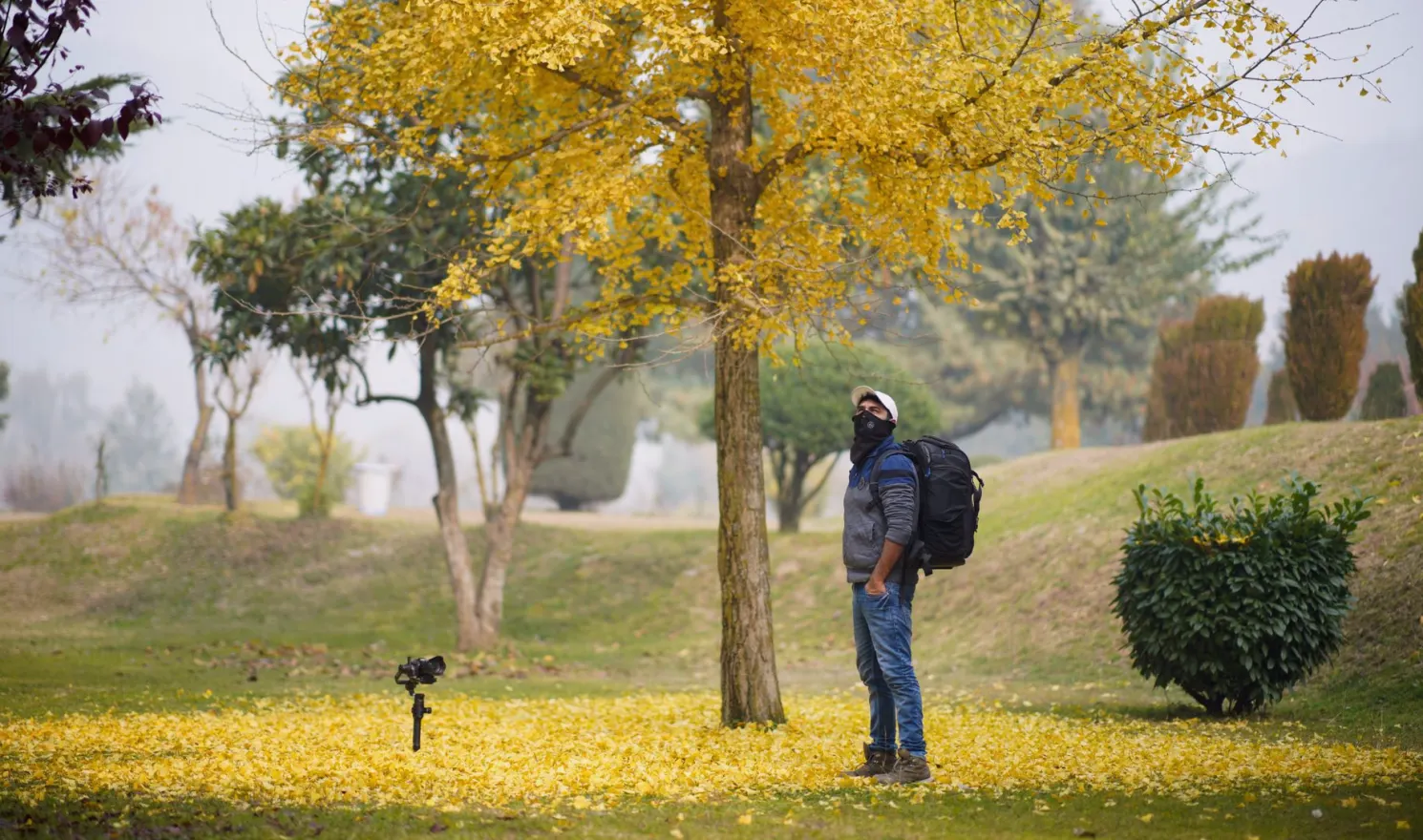
A rule with an odd name
Early in my years behind a camera I kept hearing the word embargo, and I assumed it was something that happened to cargo ships. In the events trade it means something much simpler: a promise about timing. A festival, a theatre or a community hall shares details or pictures with us ahead of an opening, and we agree not to publish until a stated hour. That is the whole idea.
On our events desk the word comes up most in the weeks around autumn harvest fairs, indoor concerts and the first cold-weather gatherings. The organizers want readers to hear about the event when it is useful, not three weeks early when plans are still being made. We want accurate material. The embargo is how both sides get what they need.
I am a photographer, not a lawyer, so I will explain it the way I would at a loading dock: it is an agreement between people who have to work together again next season.
How an embargoed preview reaches us
A preview usually starts with a short message from an organizer: the dates, the lineup or programme, a few approved photographs, and the hour after which we are free to publish. Sometimes they invite us to a rehearsal or a walk through an empty venue, where I can photograph the stage, the setup and the volunteers before any crowd arrives.
Everything we receive that way is held until the agreed time. Our editors read the material, check names and spellings with the organizers, and schedule the piece. If something does not add up, we ask before publishing rather than after, which is one of the quiet benefits of the arrangement.
Readers rarely see this stage, but it is where most of the care in a preview happens. A calm week of checking is what lets a Saturday morning article be right about the doors, the parking and the start time.
- Organizer sends details, approved photos and a release time
- We confirm names, times and locations by reply
- The piece is scheduled to appear at the agreed hour
Why the pictures are often the hardest part
Words can wait neatly for a release time. Photographs are fussier. Light changes by the hour in mid autumn, and an outdoor stage that glows at four in the afternoon can look flat by half past five. When I photograph for a preview, I often shoot a day or two before the opening and then hold the files until we are cleared to run them.
That means I am working from an empty field, a half-built stage, or a hall with chairs stacked against the wall. I look for the details that suggest the event: a hand-painted sign, a row of folded programmes, a sound technician testing a cable. Those frames say more about a place than a crowd shot ever could.
If an organizer asks us not to show a certain area, such as a fenced backstage corner or an artist's rehearsal, I simply do not photograph it. Respecting that line is part of being invited back.
What an embargo does not mean
People sometimes hear the word and picture a gag order, as if we were being told what to write. We are not. An embargo controls when something appears, never what we say about it. A preview is our description of what looks worth a visit; a review, written afterwards, is our honest account of what we saw and heard.
We do not accept payment to hold back a negative view, and we do not write a favourable one because an organizer shared early access. Where a business pays us for an introduction to our readers, that is a sponsored feature, and it is labelled as one on the page.
Keeping those lines clear matters to me, since the pictures I take sit right next to the words. A reader should be able to trust that a warm photograph is showing a real place on a real afternoon.
What it means for you as a reader
For readers, the practical effect is simple: a preview that arrives on schedule tends to be more accurate, because the organizers have had time to confirm the details with us. You are less likely to read a start time that later changes or a lineup that was still being finalized.
It also explains why an event can seem to appear in our pages all at once. Several outlets may have received the same material under the same release time, and the first morning after it lifts is when previews tend to arrive. If you read us across a few days, you will notice that our own photographs are different, because we send someone to walk the grounds.
None of this requires anything from you. It just helps to know that a calm, well-timed preview was probably the result of a conversation days earlier.
- Fewer last-minute corrections to times and venues
- Photographs taken on site, not borrowed
- Previews and reviews kept clearly apart
A short list to carry to the next festival
If you plan to attend an event we have previewed, check the organizer's own notice on the day, since weather and small changes can still shift a schedule. Bring a layer for the evening, because autumn crowds gather outdoors long after the light has dropped.
If you want to share a note about an event in your own town, the contact page is the place to do it. Tell us what it is, where it takes place and when it opens to the public. We read everything, though we cannot promise coverage of every gathering.
And if you see a photographer standing quietly in an empty field long before the music starts, that may well be me, waiting for the light to settle on the stage.
An embargo is only a promise about timing, made between people who expect to work together again. It lets organizers share details calmly, gives our editors time to check them, and lets me photograph an empty stage in good light. What you read has been confirmed, and what you see was taken on site.